

Learning English online has become easier than ever, with hundreds of platforms offering courses for every skill level. Whether you’re a beginner starting from scratch or an advanced learner aiming to polish your accent, the best online English courses meet your specific needs and fit your budget.
The best online English courses combine experienced instructors, interactive lessons, flexible scheduling, and proven teaching methods that deliver measurable results.
Some platforms focus on grammar fundamentals, while others prioritize speaking confidence. A few specialize in business communication or exam preparation. Understanding what matters most to you, whether that’s affordability, instructor quality, or certification, will help you narrow down your options and find the right fit.

What To Look For In An Online Course
When evaluating online English courses, several key factors deserve your attention.
First, check the teaching approach. Does the course use live instruction, recorded lessons, or a mix of both? Some learners thrive with real-time interaction, while others prefer self-paced learning.
Qualifications of instructors matter significantly. Look for courses taught by native English speakers or certified language educators with proven experience. Many reputable platforms display instructor credentials upfront, making this easy to verify.
Interactivity and feedback also important. The best courses offer opportunities to practice speaking with instructors or other students. Written feedback on essays and assignments helps you improve faster than self-study alone.
Price and commitment length vary widely. Some platforms charge per lesson, while others use monthly subscriptions or one-time course fees. Consider how much time you can dedicate weekly and choose a structure that matches your lifestyle.
Finally, certification options can boost your resume or university applications. If you need a recognized credential, check whether the course offers certificates and whether employers or educational institutions accept them.
Reviews from other students provide honest insights into course quality and whether graduates achieved their goals.
Here’s a comparison of popular platforms and their pricing models:
| Platform | Price | Best For | Live Instruction |
|---|---|---|---|
| Preply | $10 – $40+ per hour | 1-on-1 personalized conversation | Yes (Private) |
| British Council | £59 – £159 per month | IELTS prep and formal certification | Yes (Group/Private) |
| Coursera | Free (Audit) / ~$49/mo | Academic English & Professional writing | No (Self-paced) |
| EF English Live | ~$100+ per month | A structured, 24/7 virtual school | Yes (Group/Private) |
| Udemy | $15 – $100 (One-time) | Specific skills (Grammar, Business) | No (Video-based) |
| Italki | $5 – $50 per hour | Budget-friendly speaking practice | Yes (Private) |
| Babbel | ~$14/mo (App) / ~$60+/mo (Live) | Practical, everyday conversation | Optional (Babbel Live) |
| Duolingo | Free / ~$7–$13/mo (Super) | Gamified vocabulary & daily habits | No |
| Busuu | Free / ~$6–$14/mo (Premium) | Structured grammar & community feedback | Yes (Busuu Live) |
| YouTube | Free | Listening practice & specific explanations | No (Pre-recorded) |
| edX | Free (Audit) / ~$50+ | University-level courses & TOEFL prep | No (Self-paced) |
Top Online Courses For General Proficiency
Several platforms stand out for comprehensive English instruction across all levels. These courses balance speaking, listening, reading, and writing to build well-rounded language skills.
1. Duolingo
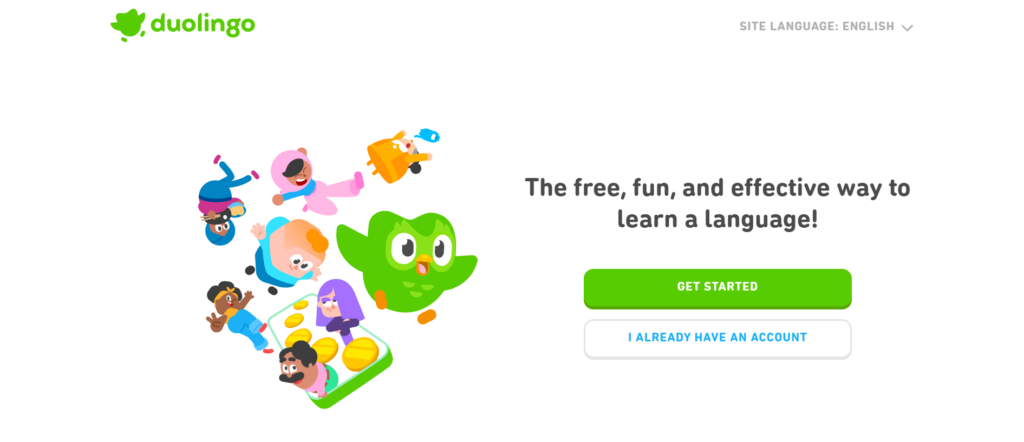
Duolingo offers gamified lessons that keep learning fun and addictive. The app breaks the lessons into five-minute segments, perfect for busy schedules. Most content is free, though a premium subscription removes ads and adds offline access.
This platform works best for beginners and those wanting casual practice rather than serious study.
“Duolingo is widely celebrated for its habit-building design, with one learner noting, ‘The gamified approach and the streak system are the only things that have kept me practicing English every single day for over a year.’” Source: [Reddit]
2. Babbel
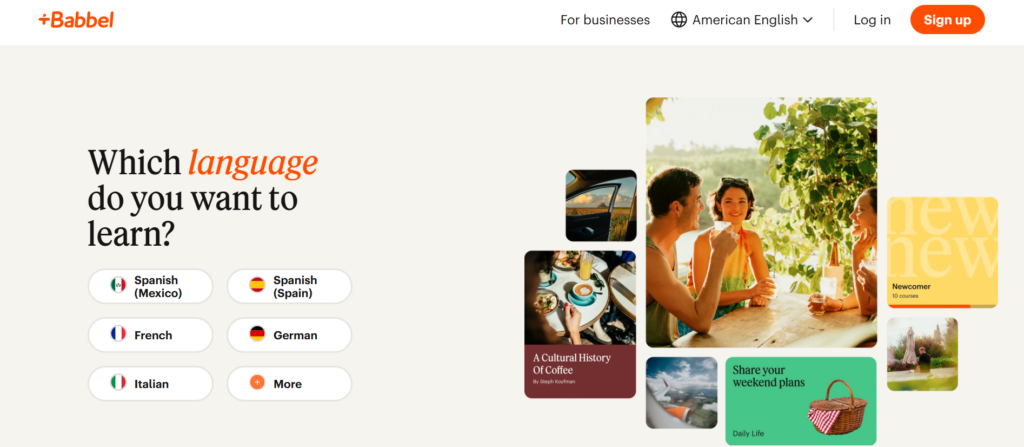
Babbel provides structured courses with clear learning paths. Lessons follow a logical progression, starting with basics and advancing to complex topics. Real English speakers teach pronunciation directly, and the interactive exercises feel practical. You’ll learn useful phrases for travel, work, and daily life.
“Babbel is frequently praised for its practical curriculum, with a reviewer stating, ‘Unlike other apps, Babbel focuses on real-life dialogues that I can actually use when traveling or speaking with colleagues.’” Source: [Trustpilot]
3. Udemy
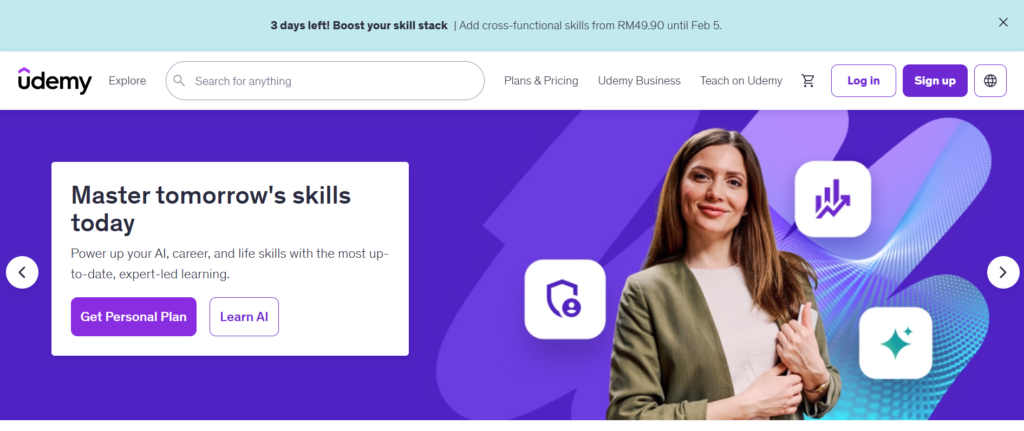
Udemy partners with universities to offer high-quality courses. Many include video lectures, quizzes, and peer review assignments. You can audit courses free or pay for certificates.
This option suits learners who want academic-level instruction without the tuition cost of traditional universities.
“Udemy is a top choice for targeted skill-building, with one student remarking, ‘The English grammar and business writing courses on Udemy provide university-level depth at a fraction of the cost of a traditional tutor.’” Source: [Reddit]
4. Busuu
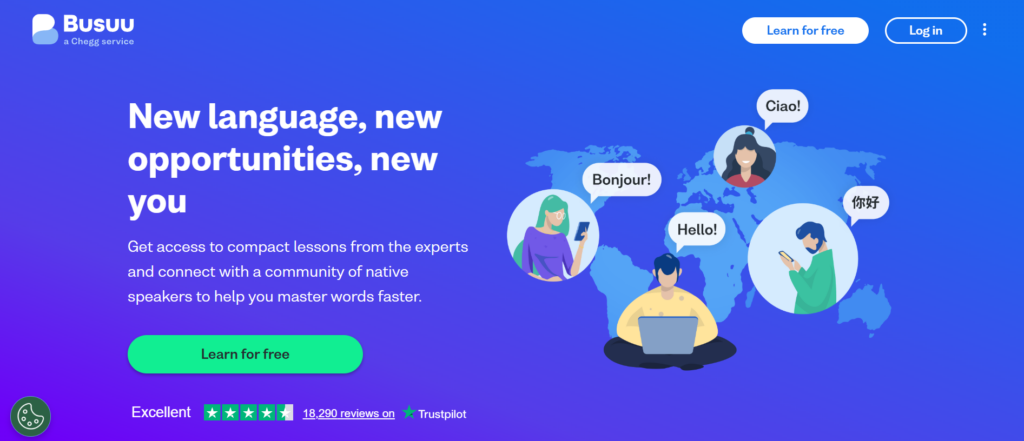
Busuu emphasizes community learning. You practice with native speakers around the world who provide corrections on your assignments. This social approach builds confidence in real communication.
The platform offers structured lessons plus community interaction for balanced progress.
Specialized Courses For Specific Goals
Not everyone needs general English. If you have targeted objectives, specialized courses deliver focused instruction to reach your goals faster.
Business English Programs
Professional English requires different vocabulary and communication styles than casual conversation. Business courses teach email writing, meeting participation, presentations, and negotiation skills.
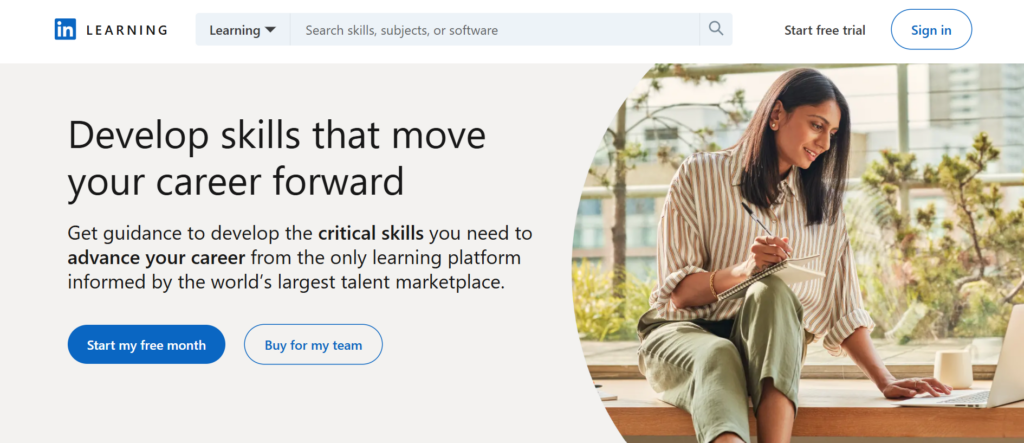
Platforms like LinkedIn Learning excel at business communication. Courses cover industry-specific terminology, professional etiquette, and leadership communication. Instructors often have corporate experience, bringing real-world context to lessons. Your LinkedIn profile benefits from completed certificates, helping recruiters see your commitment to professional development.
Babbel and Busuu offer business English tracks within their platforms. These are more affordable than specialized providers while still addressing professional needs. You’ll learn vocabulary for your industry and practice scenarios like client calls or presentations.
If you work in a specific field like medicine, law, or engineering, look for industry-tailored courses. These teach technical terminology and communication norms within your profession. They help you communicate confidently with colleagues and clients.
Exam Preparation Courses
Standardized tests like IELTS, TOEFL, and Cambridge English open doors to universities and careers worldwide. Exam courses teach test strategy alongside English skills.
Test-specific platforms focus entirely on exam mastery. You learn what examiners expect, time management, and how to score higher. Teachers are often examiners themselves, understanding exactly what impresses scorers.
Many platforms offer full-length practice tests that mirror actual exams. Taking these under timed conditions builds confidence and identifies weak areas. Detailed answer explanations will show you why responses are correct or incorrect.
Courses emphasize the unique demands of each test. TOEFL requires different skills than IELTS. Meanwhile, Cambridge exams have their own format and expectations. Focused preparation saves you time and money compared to general English study.
Conversational English Classes
Speaking confidence matters most for daily communication. Conversational courses prioritize speaking practice over grammar drills.
Live conversation groups connect you with instructors or other learners. You discuss real topics, make mistakes in a safe space, and receive feedback. This mirrors natural language use better than textbook exercises.
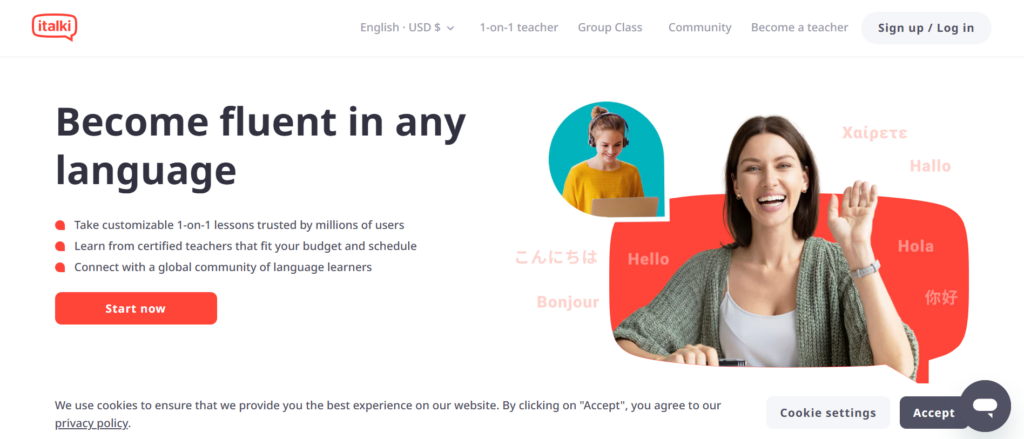
Platforms like italki and Preply connect you with private tutors for one-on-one lessons. You choose your tutor, schedule lessons around your calendar, and receive personalized attention. Tutors will adjust pacing and focus to your needs, whether you want casual conversation or specific skill development.
Theme-based conversation clubs tackle topics like travel, career, culture, or hobbies. Discussing subjects that interest you keeps motivation high. You build vocabulary naturally through discussion rather than memorization.
Group classes offer community and peer learning. You meet the same classmates regularly, building friendships that extend beyond class. This social element motivates consistent participation and makes learning enjoyable.
“The italki platform is highly regarded for building speaking confidence, with one user sharing, ‘Having a dedicated native tutor who focuses only on my mistakes has improved my fluency more in one month than years of self-study.’” Source: [Reddit]
Budget-Friendly And Free Options
Quality English learning doesn’t require expensive tuition. Many platforms offer free tiers or low-cost alternatives that deliver real progress.
Free platforms include YouTube channels run by language teachers. Channels like English Addict with Mr. Duncan and Rachel’s English provide quality lessons on specific topics. You watch at your own pace and revisit lessons whenever needed.
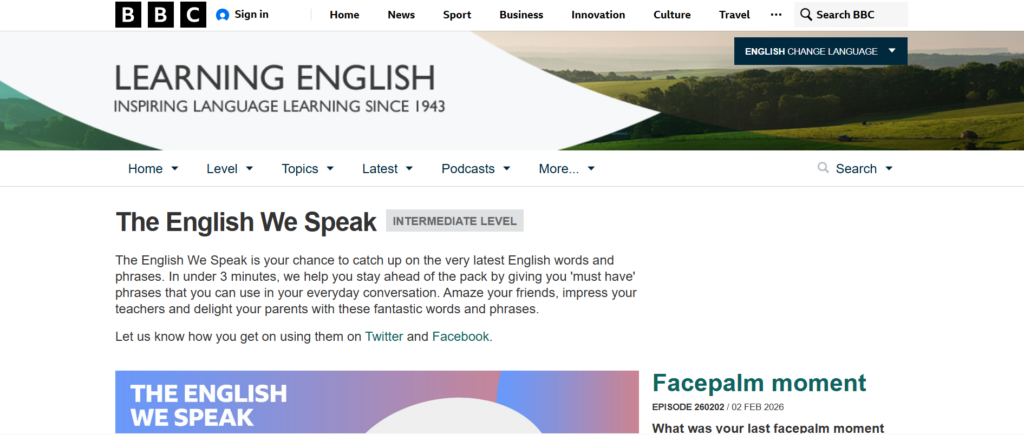
Podcasts teach English through storytelling and dialogue. Shows like The English We Speak from BBC Learning English break down phrases in five-minute episodes. Listening builds comprehension naturally as you hear native pronunciation and intonation.
Free trials help you test the platforms before committing to the paid subscription. Most paid services offer 7–14 day free access. You can use this time to complete the full lessons, interact with instructors, and confirm the teaching style suits you.
Meanwhile, language exchange partners offer free practice. You spend half of your conversation in English and half in their language. This mutual benefit costs nothing while providing real speaking practice.
Libraries often provide free access to platforms like Mango Languages and Rosetta Stone. Check your library’s website to see what’s available. This benefits patrons without adding extra cost to your budget.
How To Choose The Right Course For Your Needs
Your ideal course depends on your starting level, goals, schedule, and budget. Take your time to identify these factors before enrolling.
Begin by assessing your current level. Many platforms offer free level tests that take 10–15 minutes. Your results show whether you’re beginner, intermediate, or advanced. Starting at the right level prevents frustration and keeps you motivated.
Define your specific goals. Do you want conversational fluency, a certification, better writing skills, or business English? Courses designed for different goals emphasize different skills. Business English courses won’t help much if you need exam preparation.
Consider your available time. Can you commit to daily 30-minute lessons, or do you have only weekends? Some platforms require specific lesson times, while others let you study whenever you want. Match your course format to your realistic schedule.
Try multiple platforms during free trials. Some teaching styles click with you immediately, while others fall flat. Don’t assume an expensive course will work better than a cheaper one. The best course is the one you’ll actually complete.
Seek recommendations from people who’ve completed courses. Online reviews show honest feedback, but talking to friends or colleagues gives you trusted perspectives. They can tell you whether they actually reached their goals and whether the instructors were good.
Start with one course and commit fully before jumping between options. Learning a language requires consistency. Finishing one course often costs less in both money and time than starting multiple half-finished programs. Once you’ve mastered one platform, you can explore others if you want.
Frequently Asked Questions
What makes the best online English courses effective for learning?
The best online English courses combine experienced instructors, interactive lessons, flexible scheduling, and proven teaching methods. They offer quality instruction, opportunities for speaking practice, personalized feedback, and teaching approaches that match your learning style—whether live instruction or self-paced lessons.
How do I choose the right online English course for my needs?
Assess your current level with free placement tests, define specific goals (conversational fluency, certification, business English), consider your available study time, and try multiple platforms during free trials. Match the course format to your realistic schedule and teaching style preferences.
What are the best online English courses for business communication?
LinkedIn Learning, Babbel, and Busuu offer business English tracks that teach email writing, presentations, and professional communication. These platforms provide industry-specific terminology and practical scenarios like client calls. Courses are more affordable than specialized providers while addressing professional needs effectively.
Can I learn English online for free?
Yes, many quality free options exist including YouTube channels (English Addict, Rachel’s English), BBC podcasts, Duolingo’s free tier, and language exchange partners. Additionally, most paid platforms offer 7–14 day free trials, and many libraries provide free access to Mango Languages and Rosetta Stone.
How long does it typically take to become fluent with online English courses?
Fluency timeline depends on your starting level, course intensity, and daily practice commitment. Beginners studying 30 minutes daily typically see conversational progress in 3–6 months. However, achieving advanced fluency requires 1–2+ years of consistent study and real-world practice.
Are online English courses better for exam preparation like IELTS or TOEFL?
Specialized exam courses are most effective for standardized tests. Test-specific platforms teach exactly what examiners expect, include full-length practice tests under timed conditions, and often employ examiners as instructors. They save time compared to general English study by focusing on test strategy and unique format requirements.
Sources:
- Reddit – Student Experiences and Course Comparison
- British Council – Global Standards for English Language Education
- Trustpilot – Real User Reviews for Language Platforms
- BBC Learning English – Free Educational Resources and Media
- Cambridge English – Research-Based Learning and Assessment
Read More: