

Last updated on July 20th, 2025 at 02:45 am
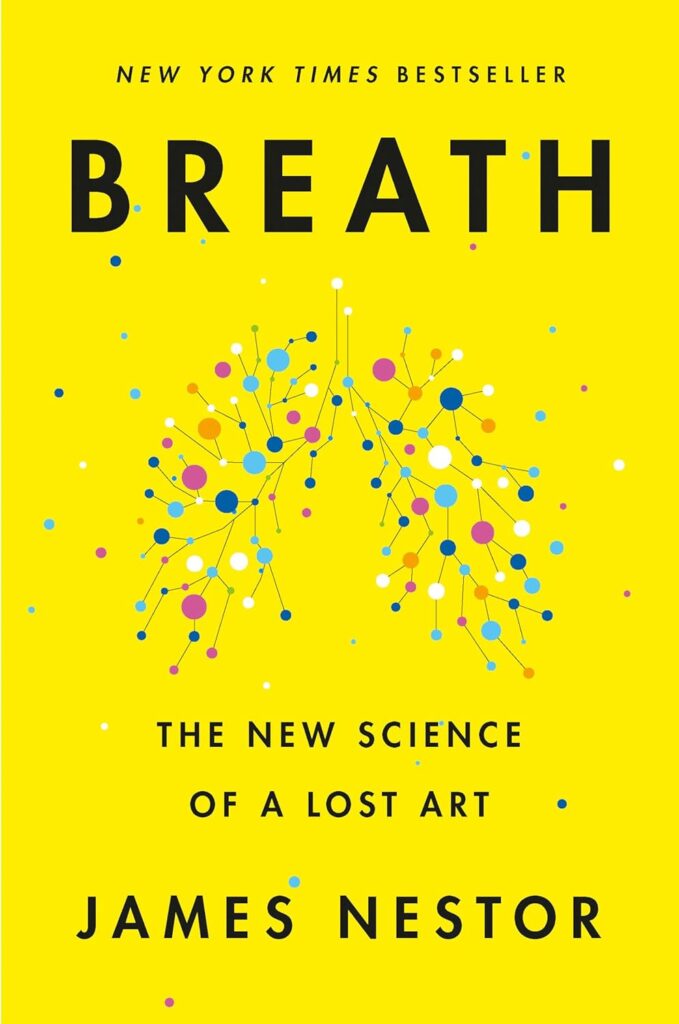
Your daily routine might be missing its most powerful health tool—proper breathing. James Nestor’s groundbreaking book “Breath: The New Science of a Lost Art” reveals how this fundamental biological process affects everything from sleep quality to athletic performance and mental clarity.
Is "Breath" worth reading for better health and performance? Absolutely. James Nestor's research-backed exploration reveals how proper breathing techniques can transform your physical and mental wellbeing while debunking common myths about respiratory health. This book fundamentally changes how you understand and practice this essential life function.
The Breathing Crisis
The modern world has forgotten how to breathe properly. Consequently, millions suffer from preventable health issues stemming from dysfunctional breathing patterns. Nestor’s investigation reveals that nine out of ten people breathe incorrectly, leading to chronic health problems that conventional medicine often misses.
Moreover, forty percent of today’s population suffers from chronic nasal obstruction, while half are habitual mouth-breathers. This epidemic of poor breathing has roots in our evolutionary history and modern lifestyle changes. The shift from traditional diets requiring extensive chewing to processed foods has fundamentally altered our facial structure and breathing capacity.
There is nothing more essential to our health and well-being than breathing: take air in, let it out, repeat twenty-five thousand times a day. James Nestor
Ancient Wisdom Meets Modern Science
Nestor’s journey takes readers from ancient burial sites to cutting-edge laboratories, revealing how traditional breathing practices align with contemporary research findings. His approach combines anthropological evidence with rigorous scientific testing, creating a compelling narrative that bridges past and present knowledge.
Furthermore, the book examines how industrialization has disrupted natural breathing patterns that humans maintained for millennia. The author demonstrates how ancient civilizations understood breathing’s power long before modern medicine began investigating respiratory health’s broader implications.
Research from the Global Wellness Institute shows that nasal breathing delivers 20% more oxygen to the brain while producing nitric oxide to open airways. These findings validate what traditional practitioners have taught for centuries about proper breathing techniques.
The Science Behind Better Breathing
The book methodically explains how breathing affects every bodily system. Nestor explores the neurological, cardiovascular, and metabolic impacts of different breathing patterns. His research reveals that most people breathe too fast and too shallow, creating unnecessary stress on their bodies.
Additionally, the author examines how breathing rate affects carbon dioxide levels in the blood. Contrary to popular belief, carbon dioxide isn’t just a waste product—it’s essential for oxygen delivery to tissues. The BBC’s research demonstrates that rhythmic nasal breathing slows brain waves, indicating a calmer nervous system state.
The optimal breathing rate, according to Nestor’s research, is around 5.5 breaths per minute. This slower pace allows for better oxygen absorption and improved physiological function. The book provides practical techniques for achieving this ideal breathing rhythm in daily life.
The average person at rest breathes about twelve to twenty breaths a minute. The problem is that the faster we breathe, the less oxygen we get. James Nestor
Mouth Breathing’s Hidden Dangers
One of the book’s most startling revelations concerns mouth breathing’s devastating health impacts. Nestor conducted a self-experiment, deliberately breathing through his mouth for ten days while monitoring various health markers. The results were alarming and immediate.
During the mouth-breathing phase, his snoring increased by 4,820%, and he experienced an average of 25 episodes of obstructive sleep apnea per night. His blood pressure rose significantly, and he reported feeling constantly fatigued and anxious. These findings illustrate mouth breathing’s profound impact on sleep quality and overall health.
The book explains how mouth breathing bypasses the nose’s natural filtering, warming, and humidifying functions. This leads to chronic inflammation, increased infection risk, and compromised immune function. Research from the American Physiological Society confirms that nose breathing lowers blood pressure and reduces cardiovascular disease risk factors.
Score: 9/10
This book earns exceptional marks for its thorough research, practical applicability, and life-changing potential. Nestor successfully transforms complex respiratory science into accessible, actionable guidance that readers can implement immediately.
The book’s strength lies in combining rigorous scientific investigation with engaging storytelling. Nestor’s personal experiments and global research journey create a compelling narrative that maintains reader interest while delivering crucial health information.
What Will You Learn
After reading “Breath,” you’ll understand:
- The physiological differences between nose and mouth breathing
- How breathing patterns affect blood pressure, heart rate, and nervous system function
- Ancient breathing techniques validated by modern research
- The connection between breathing and sleep quality
- How proper breathing can improve athletic performance
- Techniques for managing anxiety and stress through breath control
- The relationship between facial structure and breathing capacity
- Practical exercises for optimizing your breathing patterns throughout the day
Reader Testimonials
“This book changed my life by prompting me to tape my mouth during sleep, decreasing snoring and apnea. Recommended by a mayo facial specialist at my dentist.” – Greg Porter, verified purchaser
“I felt similarly about this book to how I felt before and after reading Atomic Habits—’yeah, okay, breathing, pretty simple.’ But boy was I wrong! There was so much fascinating, and importantly, actionable information here that truly changed my life.” – Jake Parker, verified purchaser
“The book did a nice job of telling stories that inform, backed by research, and then offered techniques that I’ve already put into practice. Changing the way I breathe has had a huge impact on my sleep and exercise.” – B Jubar, verified purchaser
Practical Breathing Techniques
The book provides numerous evidence-based breathing exercises designed for different situations and health goals. These techniques range from simple daily practices to more advanced methods for specific conditions.
Basic Nasal Breathing: Nestor emphasizes the importance of breathing through your nose during both rest and light activity. This fundamental shift alone can dramatically improve your health outcomes. The nose acts as a natural filter, warming and humidifying incoming air while producing nitric oxide.
The 5.5-Second Technique: Research shows that breathing in for 5.5 seconds and out for 5.5 seconds creates optimal physiological conditions. This pattern totals 5.5 breaths per minute, maximizing oxygen absorption while maintaining proper carbon dioxide levels.
Mouth Taping for Sleep: One of the book’s most controversial recommendations involves taping your mouth during sleep to encourage nasal breathing. While this may sound extreme, many readers report significant improvements in sleep quality and reduced snoring.
The Evolution of Human Breathing
Nestor traces how human breathing patterns have deteriorated over the past 500 years. Modern humans have smaller jaws, narrower airways, and more breathing difficulties than our ancestors. This evolutionary regression stems from dietary changes and reduced chewing requirements.
The book presents compelling evidence that our ancestors had superior breathing capacity due to their facial structure and jaw development. Traditional diets requiring extensive chewing created broader palates and larger airways, supporting better respiratory function.
Research from the National Geographic confirms that conscious breathing practices offer immediate and long-term benefits, including improved heart health, reduced anxiety, and enhanced mood regulation.
Pros and Cons
Pros:
- Comprehensive research backing all claims with scientific evidence
- Practical techniques that produce immediate results
- Engaging writing style that makes complex science accessible
- Personal experiments that demonstrate real-world applications
- Historical context that explains how we lost proper breathing skills
Cons:
- Some techniques may seem unconventional to mainstream readers
- Requires consistent practice for maximum benefits
- Limited discussion of certain medical conditions affecting breathing
Breathing and Athletic Performance
The book explores how proper breathing can enhance athletic performance across various sports. Nestor examines techniques used by elite athletes and explains the physiological mechanisms behind their effectiveness.
Breathing patterns affect everything from oxygen delivery to lactate threshold. Athletes who master proper breathing techniques often experience improved endurance, faster recovery times, and better performance under pressure. The book provides specific protocols for different types of physical activities.
Recent research from Stanford University shows that structured breathing practices enhance mood and reduce physiological arousal more effectively than traditional meditation techniques.
Stress Management Through Breathwork
Beyond physical health, the book addresses breathing’s profound impact on mental wellbeing. Nestor explains how different breathing patterns activate either the sympathetic or parasympathetic nervous system, directly influencing stress levels and emotional regulation.
The author presents various breathing techniques for managing anxiety, improving focus, and enhancing emotional resilience. These methods offer drug-free alternatives for common mental health challenges while providing tools for daily stress management.
| Breathing Technique | Primary Benefit | Time Required |
|---|---|---|
| Box Breathing | Stress reduction | 2-5 minutes |
| 4-7-8 Technique | Sleep improvement | 1-3 minutes |
| Coherent Breathing | Nervous system balance | 5-10 minutes |
| Breath Holds | Anxiety management | 30 seconds |
The Future of Breathing Research
Nestor discusses emerging research directions and potential applications for breathing science. The field is rapidly expanding, with new studies revealing additional connections between breathing patterns and various health conditions.
The book suggests that proper breathing education could revolutionize healthcare by addressing root causes rather than just treating symptoms. This preventive approach could reduce healthcare costs while improving population health outcomes.
Verdict
“Breath: The New Science of a Lost Art” stands as essential reading for anyone seeking to optimize their health through natural means. Nestor’s thorough research, combined with practical application guidance, creates a powerful resource for transforming your wellbeing.
The book successfully challenges conventional thinking about breathing while providing evidence-based solutions for common health problems. Whether you’re dealing with sleep issues, anxiety, or seeking performance enhancement, this book offers valuable insights and practical tools.
Most importantly, Nestor demonstrates that proper breathing isn’t just about respiratory health—it’s about optimizing every aspect of human function. The techniques presented can be implemented immediately, often producing noticeable results within days or weeks.
The book’s impact extends beyond individual health improvement. By understanding breathing’s fundamental role in wellbeing, readers gain tools for addressing chronic health issues that affect millions worldwide. This knowledge could contribute to broader public health improvements if widely adopted.
You can explore these life-changing breathing techniques by purchasing “Breath: The New Science of a Lost Art” to begin your journey toward better health through proper breathing.
Video Credit: Penguin Books UK / YouTube
Frequently Asked Questions
Is this book suitable for people with existing breathing problems?
The book provides valuable insights for people with various breathing difficulties, though it’s not a substitute for medical treatment. Nestor explains the science behind common breathing problems and offers complementary techniques that may help. However, people with serious respiratory conditions should consult healthcare professionals before implementing new breathing practices.
Many readers with asthma, sleep apnea, and other conditions report improvements after applying the book’s techniques. The key is starting slowly and paying attention to your body’s responses while maintaining regular medical care.
How long does it take to see results from these breathing techniques?
Many readers notice improvements within the first week of consistent practice. Sleep quality often improves quickly, sometimes within the first few nights of nasal breathing focus. Stress reduction and anxiety management benefits typically appear within days of regular practice.
However, more significant physiological changes may take weeks or months to fully develop. The book emphasizes that breathing pattern changes require patience and consistency, as you’re essentially retraining automatic behaviors developed over years.
Are the breathing techniques safe for everyone?
Most of the basic techniques presented are safe for healthy individuals when practiced correctly. However, people with certain medical conditions, particularly cardiovascular or respiratory issues, should consult healthcare providers before starting new breathing practices.
The book provides clear instructions and safety guidelines for each technique. Nestor emphasizes listening to your body and stopping any practice that causes discomfort or unusual symptoms.
Does the book address sleep-related breathing issues?
Yes, the book extensively covers sleep-related breathing problems, including snoring and sleep apnea. Nestor’s personal experiments demonstrate how breathing patterns during sleep affect rest quality and overall health.
The book provides practical solutions like mouth taping and specific sleep positioning techniques. Many readers report significant improvements in sleep quality and reduced snoring after implementing these strategies.
Can these techniques help with anxiety and stress management?
The book presents several breathing techniques specifically designed for anxiety and stress management. These methods work by activating the parasympathetic nervous system, promoting relaxation and emotional regulation.
Research shows that controlled breathing practices can be as effective as some medications for anxiety management. The book provides step-by-step instructions for implementing these techniques in daily life and during stressful situations.
Sources:
- Global Wellness Institute – Breathe Initiative Trends
- BBC – The Surprising Power of Breathing Through Your Nose
- American Physiological Society – Nose Breathing Research
- National Geographic – Science-Backed Guide to Mindful Breathing
- Stanford Research on Breathing Practices
Read More: