

Your understanding of power dynamics determines whether you’ll navigate life as a player or a pawn in the ultimate game.
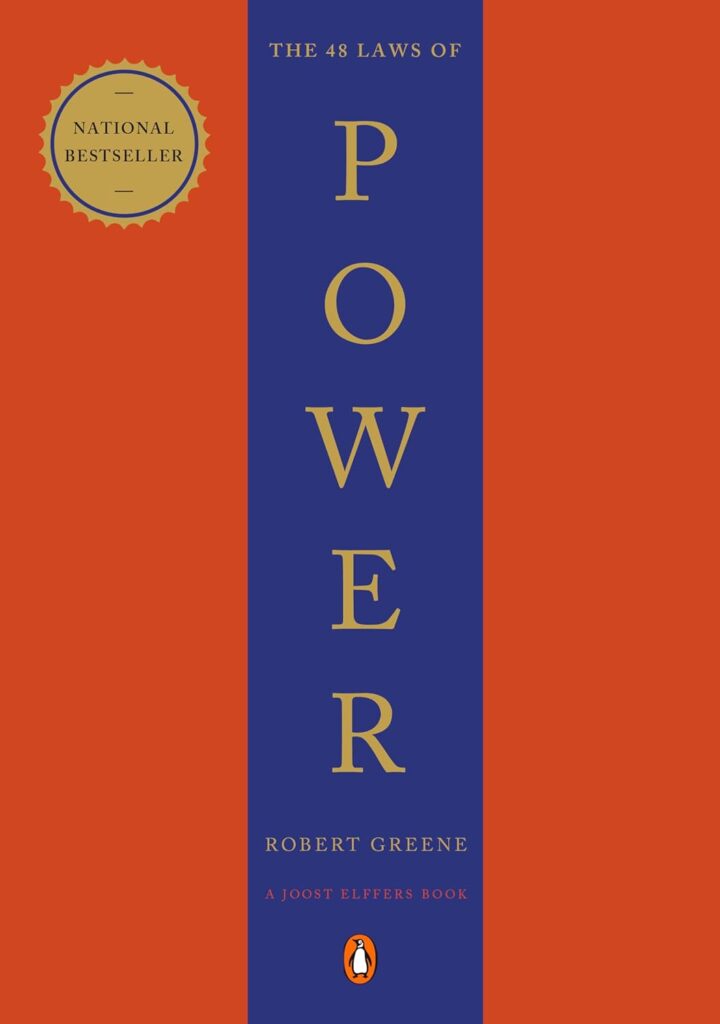
Is "The 48 Laws of Power" worth reading for personal and professional success? Absolutely. Robert Greene's controversial masterpiece unveils the hidden mechanisms of power through historical examples and psychological insights, providing readers with strategic knowledge to recognize, defend against, and ethically apply influence in modern life. This book fundamentally transforms how you perceive human interactions and social dynamics.
Historical Foundations
Throughout history, certain individuals have wielded power with remarkable effectiveness while others have fallen victim to their own naivety. Greene meticulously examines power dynamics across 3,000 years of human civilization, drawing from ancient Chinese strategists to Renaissance princes to modern political leaders. His research methodology combines historical analysis with psychological insights to reveal universal patterns in how power operates.
Moreover, each law emerges from careful study of historical figures who either mastered or violated these principles. The book presents both positive and negative examples, showing how Napoleon’s early successes stemmed from understanding power while his eventual downfall resulted from violating several crucial laws. Similarly, ancient rulers like Louis XIV and modern leaders demonstrate consistent patterns in power acquisition and maintenance.
The historical approach gives weight to Greene’s arguments. Rather than presenting abstract theories, he anchors each principle in real events and documented behaviors. This grounding in historical precedent makes the laws more credible and demonstrates their timeless relevance across different cultures and eras.
Power is not revealed by striking hard or often, but by striking true. Honoré de Balzac
Psychological Framework
Beyond historical examples, Greene incorporates deep psychological principles that explain why these laws work consistently across human societies. He explores how cognitive biases, emotional reactions, and social instincts create predictable patterns in human behavior that skilled practitioners can understand and influence.
Furthermore, the book reveals how power operates through perception rather than just force. Many laws focus on managing appearances, controlling information flow, and shaping others’ interpretations of events. This psychological dimension explains why traditional approaches to power that rely solely on authority or resources often fail in complex social environments.
The author examines how successful power players understand fundamental human needs like recognition, security, and status. By recognizing these underlying motivations, you can predict others’ responses and craft approaches that align with their interests while advancing your own objectives. This psychological foundation transforms power from mere manipulation into strategic social navigation.
Research from Harvard Business School confirms that understanding psychological principles significantly improves leadership effectiveness and negotiation outcomes. Leaders who grasp human psychology make better decisions, build stronger relationships, and achieve superior results compared to those relying solely on positional authority.
Strategic Applications
The 48 laws translate into practical strategies for various life situations, from workplace dynamics to personal relationships. Greene organizes these principles into categories that address different aspects of power acquisition, maintenance, and protection. Some laws focus on offense—how to gain influence and advance your position—while others emphasize defense against manipulation and power plays.
Additionally, the book provides frameworks for analyzing complex social situations. By understanding which laws apply to specific circumstances, you can decode hidden motivations, anticipate likely outcomes, and position yourself advantageously. This strategic thinking proves valuable whether you’re navigating corporate politics, managing personal relationships, or pursuing entrepreneurial ventures.
The practical applications extend beyond obvious power struggles. Many laws apply to everyday interactions like networking events, salary negotiations, or community leadership roles. Understanding these principles helps you communicate more effectively, build stronger alliances, and avoid common pitfalls that undermine personal effectiveness.
The best way to find out if you can trust somebody is to trust them. Ernest Hemingway
Controversial Elements
Greene’s work attracts criticism for its amoral approach to power dynamics. The book presents strategies used by both admirable leaders and ruthless tyrants without making moral distinctions between them. This neutrality toward ethics concerns readers who prefer clear guidance about right and wrong applications of influence.
However, this controversial aspect serves an important purpose. By understanding how manipulation and deception operate, you become better equipped to recognize and defend against these tactics when others use them against you. The book functions as both offensive playbook and defensive manual, depending on your intentions and circumstances.
The author argues that power dynamics exist whether we acknowledge them or not. Ignoring these realities doesn’t eliminate power games—it simply ensures you’ll participate unconsciously and ineffectively. By making these patterns explicit, Greene enables more conscious choices about when and how to engage with power dynamics.
Studies from Stanford University demonstrate that power literacy—understanding how influence operates—correlates with better decision-making, reduced vulnerability to manipulation, and more ethical leadership practices. Knowledge of power dynamics doesn’t corrupt; ignorance of them creates vulnerability.
Modern Relevance
Despite drawing heavily from historical examples, the 48 laws remain remarkably relevant to contemporary life. Digital communication, social media dynamics, and modern organizational structures create new contexts for these timeless principles. Understanding how influence operates in virtual environments becomes increasingly important as remote work and online relationships proliferate.
Furthermore, current political and business environments demonstrate these laws in action daily. Successful entrepreneurs, political leaders, and social influencers often embody many of Greene’s principles, whether consciously or intuitively. Observing current events through the lens of the 48 laws provides insights into why certain strategies succeed or fail.
The book’s relevance extends to understanding organizational dynamics in modern corporations. Power structures in contemporary workplaces may appear more egalitarian than historical courts, but similar patterns of influence, alliance-building, and strategic positioning remain crucial for career advancement and effective leadership.
Technology amplifies both opportunities and risks associated with power dynamics. Social media creates new venues for reputation management, information control, and influence building, while also creating vulnerabilities through increased transparency and accountability. Modern applications of Greene’s principles must account for these technological factors.
In the realm of ideas, everything depends on enthusiasm… in the real world, all rests on perseverance. Johann Wolfgang von Goethe
Implementation Strategies
Successfully applying the 48 laws requires careful judgment about when and how to use different principles. The book emphasizes that effectiveness comes from selecting appropriate strategies for specific situations rather than rigidly following all laws simultaneously. Context, timing, and personal style all influence which approaches will work best.
Moreover, Greene advocates for subtle application rather than obvious manipulation. The most effective power moves often appear natural or even helpful to others, avoiding the resentment that heavy-handed tactics typically generate. This sophisticated approach requires practice and emotional intelligence to execute successfully.
The implementation process begins with observation and analysis. By studying your environment and the people within it, you can identify which laws apply to your specific circumstances. This analytical phase helps you understand existing power structures, recognize potential allies and opponents, and identify opportunities for strategic action.
Ethical implementation involves using these principles to create mutual benefit rather than purely selfish advantage. The most sustainable applications of power help others achieve their goals while advancing your own objectives. This approach builds genuine influence based on value creation rather than exploitation.
Criticism and Balance
Critics argue that Greene’s approach promotes a cynical worldview that reduces human relationships to power calculations. They contend that focusing on influence and control undermines authentic connection and ethical behavior. These concerns highlight the importance of maintaining perspective and values when engaging with power dynamics.
Nevertheless, understanding power doesn’t require embracing a purely Machiavellian mindset. Many readers find value in learning these principles for defensive purposes—recognizing manipulation attempts and protecting themselves from exploitation. Knowledge of influence tactics can enhance rather than undermine ethical behavior by making unconscious dynamics visible.
The book works best as one component of broader personal development rather than a complete philosophy of life. Combining Greene’s insights with emotional intelligence training, ethical frameworks, and relationship-building skills creates a more balanced approach to social navigation and leadership.
The supreme excellence consists of breaking the enemy’s resistance without fighting. Sun Tzu
Score: 8/10
This book earns high marks for its comprehensive research, historical grounding, and practical insights into human behavior. Greene successfully decodes complex social dynamics that typically remain hidden or intuitive. The extensive historical examples provide compelling evidence for each principle while making abstract concepts tangible and memorable.
The controversial nature of the content prevents a perfect score, as some readers may find the amoral approach problematic. Additionally, the book requires careful interpretation to avoid purely manipulative applications. However, these limitations reflect the subject matter’s inherent complexity rather than flaws in Greene’s treatment.

What Will You Learn
After reading “The 48 Laws of Power,” you’ll master:
- How to recognize and decode hidden power dynamics in various environments
- Strategies for building influence through perception management and strategic positioning
- Methods for protecting yourself from manipulation and exploitation by others
- Historical patterns that reveal why certain approaches to power consistently succeed or fail
- Psychological principles that drive human behavior in competitive and collaborative situations
- Timing and context factors that determine when different strategies will be most effective
- The relationship between power, reputation, and long-term success in professional and personal contexts
- How to balance ethical considerations with strategic effectiveness in complex social situations
Reader Testimonials
This book completely changed how I view workplace politics and human relationships. The historical examples make complex psychological concepts easy to understand, and the practical insights have genuinely improved my effectiveness in challenging situations. Michael R., verified purchaser
Initially skeptical about the ethics, I found tremendous value in understanding these dynamics for defensive purposes. Recognizing manipulation attempts has saved me from several potentially damaging situations. Essential reading for anyone in competitive environments. Sarah L., verified purchaser
Greene’s research is impressive, and the writing style makes dense material accessible. While some laws are controversial, the book provides valuable insights into human nature and social dynamics that apply far beyond obvious power struggles. David K., verified purchaser
Pros and Cons
Pros:
- Extensive historical research supporting each principle with compelling examples
- Practical framework for understanding complex social and professional dynamics
- Valuable defensive knowledge for recognizing and countering manipulation attempts
- Timeless principles that remain relevant across different cultures and time periods
- Engaging writing style that makes psychological concepts accessible to general readers
Cons:
- Amoral approach may encourage manipulative behavior in some readers
- Heavy focus on conflict and competition could promote overly cynical worldview
- Requires careful judgment to apply ethically and appropriately in modern contexts
Power Dynamics Framework
Greene organizes the 48 laws into several strategic categories:
Laws of Concealment and Deception (Laws 1-12)
- Never outshine the master
- Never put too much trust in friends; learn to use enemies
- Conceal your intentions
- Always say less than necessary
- Guard your reputation with your life
Laws of Control and Manipulation (Laws 13-24)
- Court attention at all costs
- Get others to do the work; take the credit
- Make people come to you
- Win through actions, not arguments
- Infection: avoid the unhappy and unlucky
Laws of Image and Presence (Laws 25-36)
- Learn to keep people dependent on you
- Use selective honesty to disarm your victim
- Appeal to people’s self-interest
- Pose as a friend, work as a spy
- Crush your enemy totally
Laws of Timing and Patience (Laws 37-48)
- Use absence to increase respect and honor
- Keep others in suspended terror
- Do not build fortresses to protect yourself
- Know who you’re dealing with
- Be unpredictable
Verdict
“The 48 Laws of Power” stands as essential reading for anyone seeking to understand how influence operates in human societies. Greene’s masterful combination of historical analysis and psychological insight creates a comprehensive guide to social dynamics that extends far beyond traditional power struggles.
The book succeeds in making visible the hidden patterns that govern human interactions across all contexts. Whether you’re navigating corporate environments, building personal relationships, or pursuing leadership roles, understanding these principles provides significant advantages in recognizing opportunities, avoiding pitfalls, and achieving your objectives more effectively.
Most importantly, the book empowers readers to participate consciously in social dynamics rather than being unconscious participants. This awareness enables more strategic decision-making and better protection against manipulation while opening opportunities for ethical influence and leadership.
Critics raise valid concerns about potential misuse, but knowledge itself isn’t inherently good or evil—application determines moral value. By understanding how power operates, you can choose to use these insights constructively while defending against those who might use them destructively.
The historical grounding and psychological depth make this more than a simple “how-to” guide. It’s a comprehensive education in human nature that reveals patterns spanning centuries and cultures. This broader perspective helps readers develop nuanced judgment about when and how to apply different strategies appropriately.
For professionals, entrepreneurs, and leaders, “The 48 Laws of Power” provides invaluable insights into organizational dynamics and human motivation. The principles apply equally to building businesses, managing teams, and advancing careers while maintaining ethical standards and authentic relationships.
Video Credit: Robert Greene / YouTube
Frequently Asked Questions
Is this book only for people in leadership positions or competitive careers?
Not at all. While the book certainly provides valuable insights for leaders and professionals in competitive environments, the principles apply to virtually all human interactions. Understanding power dynamics helps in parenting, friendships, community involvement, and personal relationships just as much as in business or politics.
The psychological principles Greene explores are fundamental aspects of human nature that operate regardless of formal hierarchy or competitive context. Even in collaborative situations, understanding influence patterns helps you communicate more effectively and build stronger connections with others.
Does reading this book make you manipulative or unethical?
Knowledge itself doesn’t determine behavior—how you choose to apply insights does. Many readers use these principles primarily for defensive purposes, recognizing manipulation attempts and protecting themselves from exploitation. Others apply them constructively to become more effective leaders and communicators.
The book presents strategies without moral judgment, leaving ethical decisions to readers. Understanding how influence operates can actually support more ethical behavior by making unconscious dynamics visible and creating opportunities for conscious choice about when and how to use different approaches.
Are the historical examples still relevant in modern digital environments?
Absolutely. While technology changes the tools and contexts for power dynamics, the underlying psychological principles remain constant. Social media creates new venues for reputation management and influence building, but the fundamental patterns of human response to authority, scarcity, and social proof haven’t changed.
Modern applications might involve different tactics, but the strategic thinking and psychological insights translate directly to contemporary situations. Understanding these timeless principles helps navigate both traditional and digital environments more effectively.
How do you balance these strategies with authentic relationships and genuine connection?
The most effective applications of power principles actually support authentic relationships by helping you understand others’ motivations and communicate more effectively. Many laws focus on empathy, strategic thinking, and creating mutual benefit rather than pure manipulation.
Authenticity and strategic awareness aren’t mutually exclusive. Understanding how influence operates can help you be more genuine by making unconscious patterns visible and creating space for conscious choice about how you want to interact with others.
Can these principles be used ethically in team-based or collaborative environments?
Yes, many of the 48 laws support effective collaboration and team leadership. Principles like understanding others’ motivations, managing your reputation, choosing battles wisely, and creating win-win situations directly enhance team effectiveness and collaborative success.
The key is applying these insights to create value for others while achieving your own objectives. This approach builds genuine influence based on contribution and results rather than manipulation or exploitation, leading to more sustainable and satisfying professional relationships.
Purchase: Get The 48 Laws of Power on Amazon
Sources:
- Harvard Business School – Psychology and Leadership Research
- Stanford Graduate School of Business – Power Dynamics Studies
- SoBrief – The 48 Laws of Power Analysis
- Psychology Today – Understanding Power in Relationships
- MIT Sloan – Organizational Behavior Research
Read More: