

Last updated on July 20th, 2025 at 02:43 am
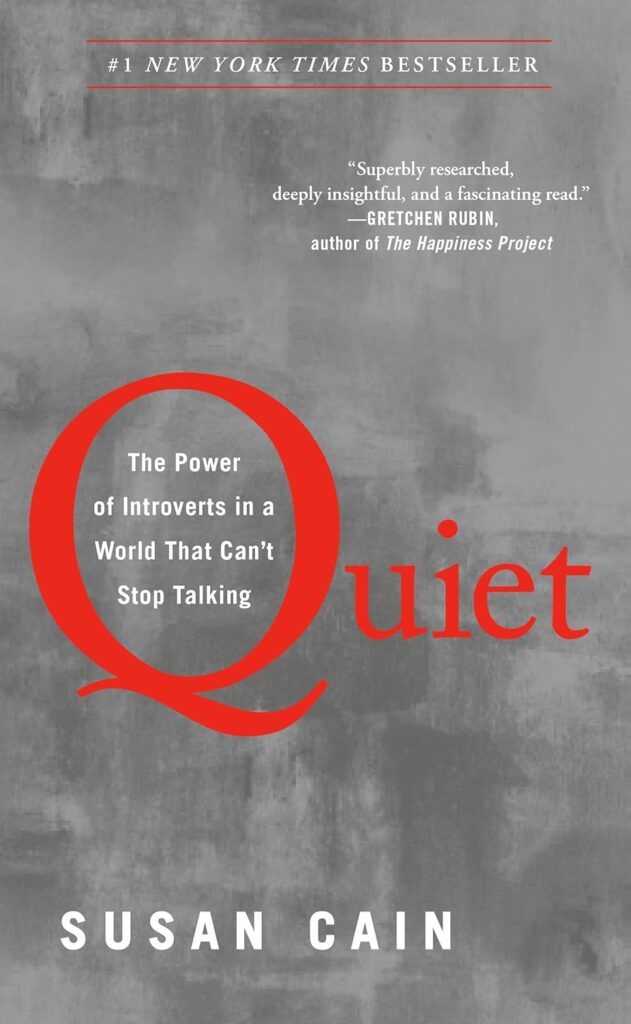
Susan Cain’s groundbreaking book challenges everything you thought you knew about personality types and workplace dynamics. In our extrovert-dominated culture, this revolutionary work offers fresh perspectives on harnessing introversion’s hidden strengths.
Is "Quiet" worth reading for understanding introversion and workplace success? Absolutely. Susan Cain's research-backed masterpiece reveals how introverts can thrive in an extroverted world while debunking harmful myths about personality types. This book transforms self-understanding and offers practical strategies for personal and professional growth.
Cultural Revolution
The world has fundamentally misunderstood introversion for decades. Meanwhile, Susan Cain’s “Quiet” arrives as a much-needed corrective to this widespread misconception. The book systematically dismantles the “Extrovert Ideal” that has dominated Western culture since the early 20th century.
Furthermore, Cain traces how American society shifted from valuing character to prioritizing personality. This transformation happened gradually, yet its impact on introverts has been profound. The author demonstrates how schools, workplaces, and social institutions consistently favor extroverted behaviors while undervaluing quiet contemplation.
At least one-third of the people we know are introverts. They are the ones who prefer listening to speaking, reading to partying; who innovate and create but dislike self-promotion. Susan Cain
Research Foundation
The book’s strength lies in its rigorous scientific approach to understanding personality differences. Cain weaves together decades of psychological research, neurological studies, and cultural analysis to paint a comprehensive picture of introversion. She explores how brain chemistry actually differs between introverts and extroverts, explaining why certain environments energize one group while draining another.
Additionally, the research reveals fascinating insights about creativity and leadership. Studies show that introverts often excel in creative endeavors precisely because they’re comfortable with solitude. This solitude allows for deep thinking and reflection that leads to innovative breakthroughs.
The author also examines cross-cultural perspectives on introversion. In many Asian cultures, quiet reflection is highly valued, contrasting sharply with Western emphasis on verbal expression. This cultural comparison highlights how arbitrary our personality preferences can be.
Practical Applications
Moving beyond theory, Cain provides actionable strategies for introverts navigating an extroverted world. She introduces the concept of “restorative niches” – spaces where introverts can recharge their energy. These might include quiet corners, private offices, or even brief solitary walks.
The book also addresses workplace dynamics with remarkable insight. Cain explains how open office plans, while popular among employers, can actually decrease productivity for introverted employees. She suggests practical alternatives that benefit both personality types.
Introverts are capable of acting like extroverts for the sake of work they consider important, people they love, or anything they value highly. Susan Cain
Leadership Insights
Contrary to popular belief, introverts can make exceptional leaders. The book presents compelling evidence that introverted leaders often outperform their extroverted counterparts in certain situations. They tend to listen more carefully, process information thoroughly, and make more deliberate decisions.
Rosa Parks serves as a powerful example of quiet leadership. Her refusal to give up her bus seat wasn’t a spontaneous act of extroverted rebellion. Instead, it represented the culmination of years of thoughtful preparation and quiet determination.
The author also explores how introverted leaders excel at managing proactive team members. While extroverted leaders might dominate conversations, introverted leaders create space for others to contribute their ideas.
Educational Impact
Schools have particularly struggled to accommodate introverted students. Cain argues that our education system’s emphasis on group work and constant participation actively disadvantages quiet learners. She provides specific recommendations for creating more inclusive learning environments.
The book suggests that teachers should balance group activities with individual work time. This approach allows introverted students to process information thoroughly before sharing their thoughts. It also prevents extroverted students from dominating classroom discussions.
The secret to life is to put yourself in the right lighting. For some it’s a Broadway spotlight; for others, a lamplit desk. Susan Cain
Relationship Dynamics
The book delves deeply into how personality differences affect personal relationships. Cain explores the challenges that arise when introverts and extroverts form romantic partnerships. She provides strategies for navigating these differences constructively.
Communication styles represent a significant area of potential conflict. Extroverts often process thoughts verbally, while introverts prefer internal reflection before speaking. Understanding these differences can prevent misunderstandings and strengthen relationships.
The author also addresses parenting considerations. She offers guidance for parents raising introverted children in an extroverted world, emphasizing the importance of accepting and nurturing their natural temperament.
Global Perspective
Cain’s research extends beyond American culture to examine how different societies view introversion. She finds that many Eastern cultures actually favor quiet contemplation over vocal expression. This cultural comparison reveals how arbitrary our personality preferences can be.
The book highlights successful introverted leaders from various cultures and historical periods. These examples demonstrate that introversion isn’t a limitation to overcome but a strength to leverage. From Gandhi to Eleanor Roosevelt, history is filled with quiet leaders who changed the world.
Introversion – along with its cousins sensitivity, seriousness, and shyness – is now a second-class personality trait, somewhere between a disappointment and a pathology. Susan Cain
Score: 9/10
This book deserves an exceptional rating for its thorough research, practical insights, and cultural impact. Cain successfully challenges deeply held assumptions about personality while providing actionable guidance for introverts and extroverts alike.
What Will You Learn
After reading “Quiet,” you’ll understand:
- The neurological differences between introverts and extroverts
- How to create optimal work environments for different personality types
- Strategies for introverts to excel in leadership roles
- The historical development of the “Extrovert Ideal”
- Practical techniques for managing energy and social interactions
- How to raise and educate introverted children effectively
- The value of solitude for creativity and problem-solving
Reader Testimonials
“This book changed my life. I finally understood why I felt drained after social events and learned to honor my need for solitude.” – Marketing Professional
“As a manager, this book transformed how I lead my team. I now create space for quiet voices and see dramatically improved results.” – Corporate Executive
“Quiet helped me embrace my introversion instead of fighting it. I’m more confident and productive than ever before.” – Graduate Student
Pros and Cons
Pros:
- Extensive research backing every claim
- Practical strategies for real-world application
- Engaging writing style that makes complex concepts accessible
- Validates introverted experiences while educating extroverts
- Comprehensive coverage of multiple life areas
Cons:
- Some readers may find the research sections dense
- Occasionally oversimplifies complex personality dynamics
- Could benefit from more recent neuroscience research
Verdict
“Quiet” stands as essential reading for anyone seeking to understand personality differences and optimize their personal effectiveness. Whether you’re an introvert looking for validation and strategies, or an extrovert wanting to better understand your colleagues and loved ones, this book provides invaluable insights.
The book’s impact extends far beyond individual self-help. It challenges organizational practices, educational methods, and cultural assumptions that have long disadvantaged introverts. By reading “Quiet,” you’re not just gaining personal insight – you’re participating in a broader cultural shift toward inclusivity and understanding.
Video Credit: TED / YouTube
Frequently Asked Questions
Is this book only for introverts?
While introverts will find particular value in “Quiet,” the book benefits extroverts equally. Understanding personality differences improves relationships, workplace dynamics, and leadership effectiveness. Extroverts gain insights into their introverted colleagues, friends, and family members.
The book also explores the middle ground between introversion and extroversion, known as ambiversion. Many readers discover they fall somewhere along this spectrum rather than fitting neatly into one category.
Does the book provide scientific evidence for its claims?
Yes, Cain extensively researches her assertions using psychological studies, neurological research, and cultural analysis. The book includes numerous citations and references to peer-reviewed research. She distinguishes between established scientific findings and her own interpretations.
The author also acknowledges areas where research is still evolving. This honest approach strengthens the book’s credibility and demonstrates intellectual rigor.
Can introverts really be effective leaders?
Absolutely. The book presents compelling evidence that introverted leaders often excel in specific situations. They tend to listen more carefully, process information thoroughly, and empower team members to contribute. Studies show that introverted leaders can be particularly effective when managing proactive employees.
Historical examples include Abraham Lincoln, Eleanor Roosevelt, and Rosa Parks. These leaders achieved significant impact through quiet determination rather than charismatic extroversion.
How does this book address workplace applications?
“Quiet” offers specific strategies for creating inclusive workplaces. Cain critiques open office plans and suggests alternatives that benefit both personality types. She provides guidance for meetings, brainstorming sessions, and team management.
The book also addresses networking, public speaking, and self-promotion challenges that introverts commonly face. Practical suggestions help introverts navigate these situations while maintaining their authentic selves.
Is the book’s advice culturally universal?
While the book focuses primarily on Western culture, particularly American society, Cain includes cross-cultural perspectives. She examines how different cultures view introversion and extroversion, noting that many Eastern cultures value quiet contemplation.
The book’s insights about personality differences and optimal environments likely apply across cultures, though specific strategies may need cultural adaptation.
Purchase: Get “Quiet” on Amazon
Sources:
- Susan Cain’s official website
- Research on introversion statistics
- Scientific American article on introversion
- MIT Sloan review of the book
- Educational applications research
Read More: